




Bitcoin has become a revolution in the world of digital assets, offering us a new way to manage our finances independently of banks and intermediaries. It is not just another currency; it is a decentralized system that enables individuals to have direct control over their funds. We also recommend reading the informative article “BTC wallet.”
At the core of this system lies blockchain technology, which protects assets and ensures transparency in transactions. For users choosing digital currency, it is essential not only to understand how to acquire it, but also how to manage it correctly. This brings up the issue of storage: instead of bank accounts, users rely on personal digital storage.
These storage options can be either online or offline, each offering its own distinct features and advantages.
Financial independence and the ability to access and manage funds at any time make Bitcoin an appealing tool. Unlike traditional money, this digital asset is secured by cryptography, meaning that only the owner has access to it. Such storage becomes a way to safeguard one’s funds against inflation, banking crises, and government oversight.
For those who believe in the rosy future of digital assets, Bitcoin serves as a long-term investment capable of yielding substantial returns in the future.
Topping up a Bitcoin wallet is a key part of using cryptocurrencies. For investors, it is an opportunity to gradually expand their portfolios in response to market shifts. In a market where users may encounter high exchange fees or the risk of fraud, it is particularly important to choose trusted and reliable methods of adding funds. This is especially relevant for those looking to use digital assets as a means of saving and growing their finances.
The growing interest in digital currency is not limited to investors. It also attracts freelancers, gamers, and users seeking anonymous and independent ways to receive and store funds. For gamers who wish to purchase in-game items and services, digital currency proves to be a convenient tool: free from national restrictions, it allows purchases in any region without limitations.
This is especially important in a world where gaming has become a part of everyday life and the gaming industry continues to expand.
Freelancers who work with clients across the globe can use Bitcoin to receive payments for their projects. This is especially valuable for those who are tired of dealing with intermediaries and paying excessive fees for international transfers. In such cases, digital storage becomes not merely a tool but an essential asset in managing personal finances. Direct transfers with minimal fees and the ability to use funds immediately make Bitcoin an excellent choice for anyone working online and looking for flexibility and freedom.
For regular users, topping up a Bitcoin wallet helps protect their finances from unpredictable economic conditions and preserve their savings in a secure format. With each passing year, inflation erodes the value of traditional savings, and the purchasing power of conventional currencies continues to decline. Bitcoin offers a unique opportunity to protect one’s money from devaluation. Immune to inflation, it attracts people who are seeking a long-term solution for preserving their capital.
Investing in a digital asset is not only a way to protect one’s capital but also a means of generating income. It allows individuals to become more independent from the fluctuations of the traditional economy, making it appealing not only to major investors but to anyone in search of stability and protection. Successful use of Bitcoin requires knowledge of safe methods for topping up your wallet and managing your assets.
Top ways to fund your BTC wallet
Topping up a digital account with Bitcoin offers several options, each with its own features and advantages. The choice of a suitable method depends on the user's preferences, commission fees, transaction speed, and the level of security. To further explore the topic of how to top up a Bitcoin wallet, let us take a look at the most common methods: cryptocurrency exchanges, ATMs, online exchange platforms, and transfers between private individuals.
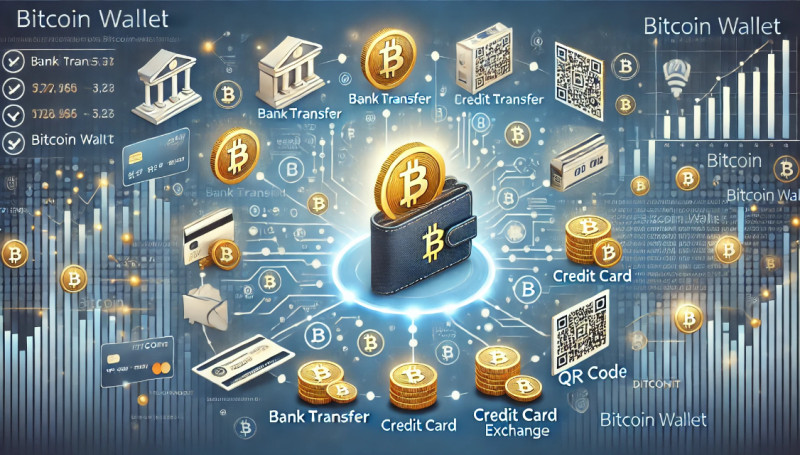
Cryptocurrency exchanges
Cryptocurrency exchanges offer a convenient and secure way to purchase and store Bitcoin. These platforms act as intermediaries, allowing users to exchange traditional fiat currency for digital coins and vice versa. In order to use an exchange, users typically need to complete registration and undergo identity verification, as many platforms follow “Know Your Customer” (KYC) policies. These requirements are tied to global security standards and serve to protect transactions from fraud.
One of the main advantages of using an exchange is access to a variety of trading tools. Not only can users purchase Bitcoin, but they can also exchange it for other crypto assets. This makes exchanges suitable both for experienced traders and for beginner investors. However, it is important to be aware of commission fees. Exchanges may charge for depositing funds, carrying out transactions, and withdrawing to external wallets. The structure and size of fees can vary significantly from one platform to another, so it is recommended to study the terms carefully before registering.
Another factor to consider is transaction delays. Since operations may take several hours or even days to process, exchanges are most appropriate for users who do not require instant deposits.
Cryptocurrency ATMs
Cryptocurrency ATMs are becoming an increasingly popular way to purchase Bitcoin. These machines allow users to deposit cash and instantly exchange it for digital assets. Using an ATM is simple: the user selects the purchase option, enters the wallet address (or scans their wallet’s QR code), and inserts the desired amount of cash. Once the transaction is confirmed, the asset is credited to the specified wallet within a few minutes.
The advantages of cryptocurrency ATMs include speed and convenience. They are useful for individuals who prefer to avoid the registration process on exchanges or online marketplaces and who want to credit their wallets instantly. However, this convenience comes at a price—ATM commissions are often higher than those on other platforms and can reach up to 10% of the total amount. Additionally, ATMs are not always available in smaller towns and are more commonly found in large cities and metropolitan areas.
Online exchange platforms
Online exchangers offer a fast and convenient way to purchase Bitcoin. These are specialized websites where users can buy or sell digital assets using fiat currency. Most exchange platforms do not require account creation or identity verification (although some do), which makes this method both accessible and quick.
Topping up a digital wallet through an exchanger typically involves just a few straightforward steps. The user specifies the amount, enters the wallet address, and selects the payment method. Before confirming the transaction, it is important to read the terms and conditions carefully. Exchangers usually charge a transaction processing fee, and their exchange rates may vary from the official market rate.
Another crucial aspect is checking the exchanger’s reputation. Given the lack of strict regulation in the cryptocurrency market, there is a risk of encountering dishonest platforms. To avoid such risks, it is strongly recommended to use established exchangers with excellent reviews and high trust ratings.
Peer-to-peer transfers
Transfers between private individuals are a direct method of exchange between buyers and sellers, allowing users to avoid the fees typically charged by exchanges or online platforms. This method is widely used within the crypto community for both trading and topping up wallets. However, personal transfers require a high degree of caution, as there is a risk of fraud and, in many cases, no means of recovering lost funds.
To reduce the risk of deception, it is advisable to use trusted peer-to-peer (P2P) platforms such as LocalBitcoins or similar services, where users can leave reviews and rate each other’s reliability. Whenever possible, it is safer to conduct transactions with individuals you know personally or with those who have a solid reputation. Let us continue exploring the topic of how to top up a Bitcoin wallet.
Cryptocurrency exchanges
Cryptocurrency exchanges serve as a central platform for buying, selling, and storing digital coins. The process of using an exchange involves several stages, each important for ensuring safe and efficient transactions. Let us take a closer look at how to get started with an exchange, from account registration and verification to depositing fiat currency and withdrawing funds to a personal wallet.
Registering on exchange
The first step is to register on a selected exchange. Well-known platforms such as Binance, Coinbase, and Kraken require a standard set of information to create an account: an email address, a password, and, in some cases, a phone number. Upon completing registration, most exchanges require users to enable two-factor authentication (2FA) for enhanced security. This is a critical step in protecting the account from unauthorized access and fraud. By enabling 2FA, users strengthen the security of their assets — a vital aspect when dealing with digital currencies.
Identity verification and deposit limits
Many major cryptocurrency exchanges, such as Binance and Coinbase, operate under strict Know Your Customer (KYC) regulations, which require users to complete identity verification. This process may involve uploading a scanned copy of a passport or other official identification document, as well as a selfie to confirm the authenticity of the submitted materials. Although the verification procedure may appear time-consuming, it offers several benefits: once verified, users gain access to higher deposit and withdrawal limits and enjoy greater protection against money laundering risks.
Exchanges typically provide multiple levels of verification, each associated with specific transaction limits. For instance, on Binance, basic verification grants access to deposits and trading but comes with daily limits on transactions. Higher verification levels allow for increased limits and full access to all of the platform’s features. Coinbase also offers tiered verification, with varying degrees of data checks depending on the user's transaction volume and account activity.
Depositing with fiat currencies
To fund an account using fiat currencies such as the US dollar, euro, or Russian ruble, most major exchanges support a variety of payment methods. These include bank transfers, credit and debit cards, and e-wallet services. Once a user selects a preferred deposit method, they need to specify the amount and complete the transaction according to the platform’s guidelines.
For example, on Coinbase, bank transfers may take a few business days to process but typically carry lower fees, while deposits via bank cards are processed instantly but involve higher transaction costs.
On Binance, the funding process is also user-friendly. The user navigates to the “Fiat and Spot Wallet” section, selects a currency, and chooses their preferred deposit method. Binance supports a wide range of fiat currencies, making the platform accessible to users around the world. Before initiating a deposit, it is advisable to review the exchange’s specific terms and associated fees, as these may vary depending on the region and the payment method chosen.
Transferring coins to personal wallet
After funding an exchange account and purchasing Bitcoin or other digital coins, the next step—particularly for users focused on maximum security—is transferring the assets to a personal wallet. This move helps ensure full control over your funds and minimizes the risk of exchange-related vulnerabilities.
On most platforms, the process is straightforward. Users simply navigate to the "Withdraw Funds" section, select the cryptocurrency they wish to transfer, enter the address of their personal wallet, and confirm the transaction.
For example, on Binance, withdrawals are typically processed within a few minutes. After selecting the coin, amount, and destination address, the platform will prompt for confirmation—usually requiring two-factor authentication for added security. Coinbase offers a similar process and even allows users to set up automated recurring transfers, a feature particularly useful for long-term investors.
It is crucial to double-check the wallet address before completing the transaction, as cryptocurrency transfers are irreversible. This makes it essential to develop a thorough understanding of how to top up and manage a Bitcoin wallet safely and effectively.
Popular exchanges: Binance and Coinbase
Binance, one of the world's largest cryptocurrency exchanges, provides access to a vast range of digital assets and boasts an intuitive, user-friendly interface. Supporting over 150 cryptocurrencies and dozens of fiat currencies, Binance is a go-to choice for both beginners and experienced traders, thanks to its extensive functionality and low fees.
Coinbase, on the other hand, is designed primarily for users in the United States and is known for its simplicity and strong security measures. Its clean and easy-to-navigate interface makes it ideal for newcomers, while support for bank cards and quick transfers simplifies the funding process and everyday account management.
Both Binance and Coinbase offer mobile applications, allowing users to manage their crypto portfolios from anywhere. When choosing an exchange, it is important to consider not only the available features but also the platform’s speed, reliability, security standards, and fee structure.
Cryptocurrency ATMs
Cryptocurrency ATMs have emerged as a convenient and efficient way to purchase digital coins. These machines allow users to top up their crypto balances using either cash or bank cards—without the need to register on an exchange or complete identity verification.
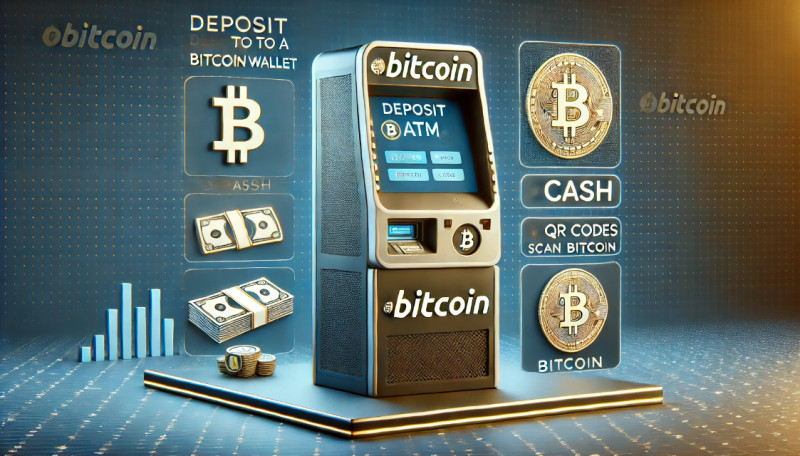
The appeal of crypto ATMs lies in their ease of use. However, to get the most out of this method, users should understand a few key steps: how to locate the nearest terminal, verify transaction fees and limits, properly scan the wallet address to receive funds, and confidently complete the operation.
While ATM-based purchases are typically more expensive due to higher fees, they remain a practical choice for users who value speed, discretion, and accessibility in their Bitcoin transactions.
Finding nearest ATM
Locating a nearby crypto ATM is easy thanks to a range of specialized services such as CoinATMRadar, Bitcoin ATM Map, and others. These platforms compile up-to-date information on the locations of cryptocurrency terminals around the world. In addition to addresses, they provide important details including supported cryptocurrencies, transaction limits, fees, transaction types (buying, selling, or exchanging), and accepted fiat currencies.
Using such maps and services not only saves time but also simplifies the process, as there is no need to check each terminal manually. To find the nearest device, users can simply enter their location or allow access to their device’s geolocation, and the platform will display the closest available options. This is especially helpful for travelers who want to avoid traditional currency exchange and conveniently purchase digital coins on the go.
How to check fees and limits
One of the key aspects of using a cryptocurrency ATM is understanding the transaction fees involved. Unlike exchanges, which often offer minimal or competitive fees, ATMs typically charge significantly higher rates—sometimes reaching 10–15% of the transaction amount. This premium reflects the convenience and speed of the service.
Before initiating a transaction, it is essential to check the fee rate to avoid unexpected costs. Most machines will display this information on the screen before the payment is confirmed. If the fee seems excessive, it may be advisable to look for another terminal offering more favorable terms.
Transaction limits are another important factor to consider. Most crypto ATMs impose both minimum and maximum amount restrictions per transaction. Typically, the minimum amount required ranges from $20 to $50 USD, while the maximum may go up to several thousand dollars.
These limits vary depending on the country’s regulations and the specific ATM model. In some jurisdictions, stricter controls result in tighter limits, while in others, policies are more flexible. Verifying these parameters ahead of time helps determine whether the ATM is suitable for your intended transaction.
How to scan wallet address
Scanning a QR code is a simple and secure way to provide the destination wallet address when purchasing cryptocurrency. Nearly all modern crypto ATMs are equipped with an integrated QR code scanner, which streamlines the process and reduces the chance of human error. To use this feature, open your digital wallet app, select the appropriate wallet, and display the QR code on your smartphone screen. Hold your device up to the scanner on the ATM, and the wallet address will be automatically entered into the transaction field.
This method greatly reduces the risk of input errors. It is important to remember that transactions on blockchain networks are irreversible, making it crucial to double-check the address before finalizing the operation. While some ATMs also allow for manual address entry, this process is less convenient and more prone to mistakes. Using QR codes not only speeds up the process but also enhances its accuracy and security—making it an effective method in our ongoing exploration of how to top up a Bitcoin wallet.
How to complete transactions
Once the wallet address has been confirmed and the amount verified on screen, you can proceed with the payment. Depending on the type of crypto ATM, two payment methods are typically supported: cash and bank cards.
For cash payments, simply insert banknotes into the designated bill acceptor. The ATM will automatically calculate the total and display the amount of cryptocurrency that will be credited to your wallet based on the current exchange rate and applicable fees.
If you opt to pay by card, insert your bank card into the terminal and follow the prompts to confirm the payment. Some ATMs may require you to enter a PIN code or verify the transaction via SMS. Once the payment is approved, the digital funds will be transferred to your wallet, usually within a few minutes.
It is important to keep the receipt issued by the ATM, as it contains essential transaction details and can be useful for tracking the status of your funds or resolving any potential issues.
Completing the transaction also includes receiving a confirmation that the funds have been credited. In most cases, digital coins are transferred almost instantly, although network congestion may occasionally cause slight delays during the blockchain confirmation process.
Exchangers
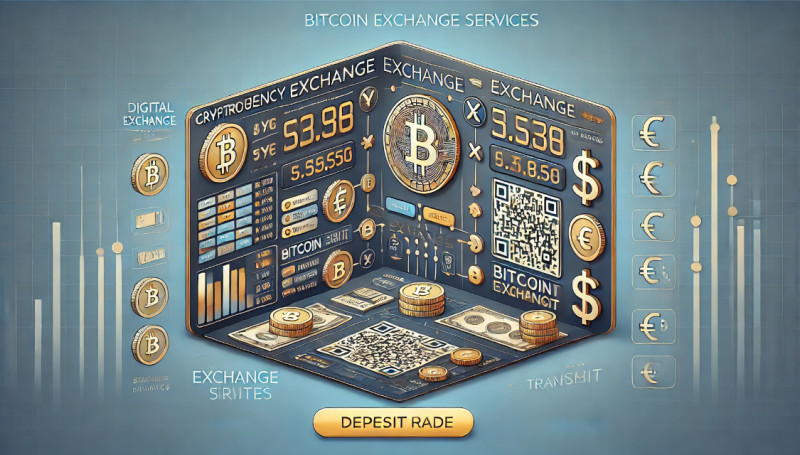
Exchangers are a fast and convenient way to convert fiat money into digital coins—ideal for those who prefer not to register on a cryptocurrency exchange or use a crypto ATM. There is a wide range of exchangers available on the market, but evaluating their reliability and security is essential. Let us break down the key steps for using exchangers: selecting a trustworthy service, entering payment details, reviewing fees and exchange rates, and completing and confirming the transaction.
How to choose reliable exchanger
Security and credibility are the top priorities when choosing an exchanger. While there are many trusted exchange services, the market also includes fraudulent websites, so checking the exchanger’s reputation is a critical first step.
To do this, it is helpful to use specialized aggregator websites such as BestChange or LocalBitcoins. These platforms provide regularly updated lists of reputable exchangers, along with user ratings, live exchange rates, and customer reviews.
It is advisable to select an exchanger with a high rating, a long-standing reputation, and minimal complaints. Another important indicator of trustworthiness is how long the service has been in operation—exchangers with a longer track record tend to be more reliable. Additionally, check whether the service offers official, accessible customer support and whether it has received positive user feedback on independent review sites and forums. A strong reputation and active customer engagement are often signs of quality service.
How to specify wallet address and amount
Once you have selected an exchanger, you can proceed with the actual transaction. At this stage, the user needs to enter the wallet address for receiving the cryptocurrency and specify the desired amount. Most exchangers offer a clean and user-friendly interface: simply choose the currency to purchase, input the receiving address, and enter the amount.
It is essential to double-check all information before confirming the transaction, as errors in entering the wallet address can result in the permanent loss of funds. Since cryptocurrency transactions are irreversible, accuracy—especially in every character of the wallet address—is crucial.
To simplify the process and reduce the chance of mistakes, many exchangers support QR code scanning. This method speeds up data entry and significantly lowers the risk of sending funds to the wrong address. If you are using a desktop computer, it is recommended to copy and paste your wallet address directly from your wallet application to avoid manual input errors. Also, make sure the wallet address is compatible with the selected cryptocurrency. Sending funds to an incompatible address will likely result in irretrievable loss.
Reviewing fees and exchange rates
Fees and exchange rates vary from one exchanger to another, so performing a comparative analysis before completing a transaction is essential. While some exchangers charge a fixed fee, others include commission costs directly in the exchange rate. As a result, their rates may differ from actual market values, so it is important to verify that you are getting the best possible terms.
Exchange aggregator platforms like BestChange enable users to compare rates and fees across multiple exchangers quickly and efficiently. Many exchangers also feature sections outlining their fee structure and exchange conditions, which should be carefully reviewed beforehand. Even a small difference in rate or commission can lead to notable cost discrepancies, particularly in larger transactions. It is advisable to choose an exchanger with transparent policies, where all applicable charges are displayed upfront.
Completing and confirming transactions
Once all the details have been entered and fees and exchange rates verified, you can move on to finalizing the transaction. At this point, the exchanger will present you with a choice of payment methods depending on your region and what is currently supported. Common options include bank cards, e-wallets, and other digital payment systems. After selecting and confirming your preferred payment method, you will receive on-screen confirmation that the funds have been successfully transferred to the specified wallet address.
Most exchangers provide a transaction status tracker, allowing users to monitor the progress in real time. Additionally, many platforms send automatic email or SMS notifications for each step of the process. Upon successful completion, a confirmation message will appear on the screen. It is recommended to take a screenshot or save the transaction number, as this information can be useful in case of any questions or disputes regarding the operation.
Peer-to-peer transfers
Peer-to-peer (P2P) transfers are a fast and practical method for acquiring cryptocurrency without involving third-party intermediaries. This approach is especially popular among users seeking favorable rates and lower transaction fees. However, P2P exchanges require caution to avoid risks. Using reputable platforms, carefully verifying each transfer, and following standard security practices can help make the transaction safe, transparent, and efficient.
Choosing trusted platforms to find private sellers
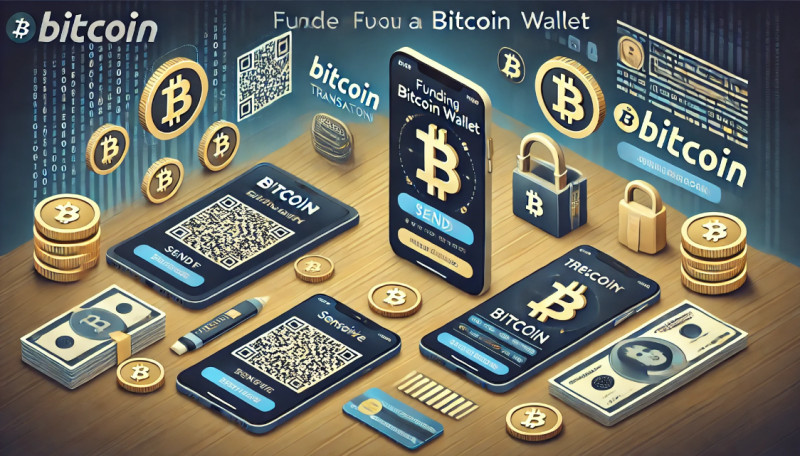
To conduct a peer-to-peer transaction safely, it is essential to find a reliable trading partner, and this is where verified P2P platforms offer the most secure solution. Well-known services such as LocalBitcoins, Paxful, and Binance P2P provide access to a global network of sellers and allow users to exchange assets securely and transparently.
On these platforms, you can choose a seller based on their rating, reviews, number of successfully completed trades, and exchange terms. You can also compare current offers in terms of rates and fees. Seller ratings and public reviews help reduce the risk of dealing with fraudulent actors.
Registering on a P2P platform usually requires email or phone number verification and, in some cases, full identity verification, which enhances transaction security. When choosing a seller, it is recommended to prioritize those who are active on the platform, have a high success rate, and have positive feedback from other users. Trusted platforms also use security mechanisms such as an escrow service, which temporarily holds the buyer’s funds until the transaction is confirmed as successfully completed.
Verification and confirmation of transfers
Once a seller is selected and the trade terms are agreed upon, the next step is to transfer funds. It is important to follow all payment instructions provided by the seller, as each platform or individual may have different requirements in terms of payment methods and confirmation procedures.
Most P2P platforms feature automated tools that notify both parties when funds are sent and enable real-time tracking of the transaction status. Once the seller has received the payment, they will confirm it on the platform, prompting the system to release the cryptocurrency from escrow and complete the transaction.
At this stage, it is advisable to double-check the transaction details and confirm that the digital funds have been credited to your wallet. Many platforms send real-time notifications via email or SMS, allowing you to monitor the status of the exchange easily. If any issues arise during the process, it is important to contact the platform's support team immediately to resolve the matter.
How to protect yourself from fraud
Security is a critical element of peer-to-peer transfers. To minimize the risk of fraud, always use reputable P2P platforms and avoid unofficial channels such as social media or messaging apps. Fraudsters often entice victims with attractive exchange rates or low fees, but offers made outside controlled environments carry a high risk of scams.
Wondering how to top up your Bitcoin wallet securely? One of the most effective safeguards for buyers is the escrow system used by verified P2P exchanges. This system ensures that funds remain locked and are only released after both parties confirm the successful completion of the transaction.
Another essential protective measure is to never share your personal information with third parties and never send funds in advance unless it is an official requirement of the platform. In case of disputes, you can file a complaint with the P2P provider — most reputable platforms offer dedicated customer support departments that investigate claims and help protect users’ rights.
Security aspects of depositing funds
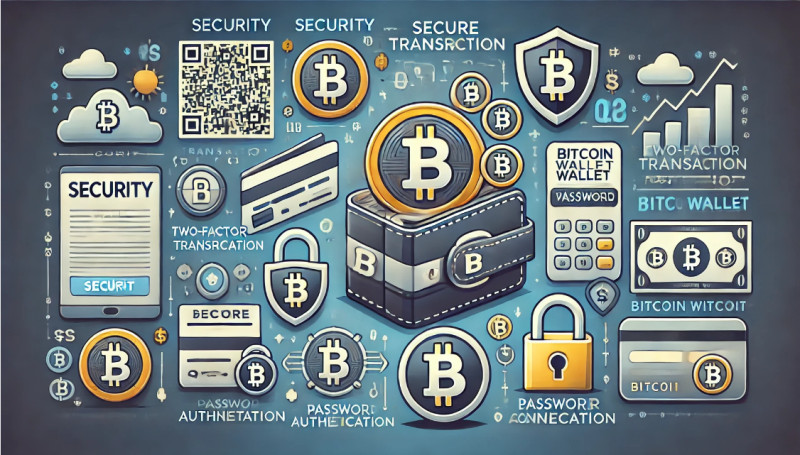
Security is paramount when adding funds to a digital wallet, as losses in the world of cryptocurrency are almost always irreversible. When working with Bitcoin, it is essential to understand and apply protective measures to reduce risk. These practices include using end-to-end encryption, enabling two-factor authentication (2FA), choosing trusted exchanges and exchangers, and storing large sums in hardware wallets. Such precautions enhance overall asset safety and ensure peace of mind as you manage your crypto portfolio.
Secure methods for depositing and transmitting data: encryption and two-factor authentication
Secure data transmission channels | This is a key element of overall account safety. Using HTTPS connections and modern encryption protocols protects personal information and transaction data from interception. It is highly recommended to use a reliable VPN service for additional protection, particularly when connecting via public Wi-Fi networks, where data is more susceptible to being compromised. |
Two-factor authentication (2FA) | This is an essential and effective security measure. Even if someone obtains your login and password, a second layer of verification—such as a temporary code from an app like Google Authenticator or an SMS message—prevents unauthorized access. When working with cryptocurrency exchanges and exchangers, 2FA helps secure your account and ensures that only you can access your crypto assets. |
Choosing reliable exchanger or exchange: how to verify ratings and reputation
Verifying the reputation of an exchange or online exchanger before funding your account is an essential step in ensuring the safety of your assets. It is important to select platforms that have a proven track record and are well-established in the crypto space. Aggregator sites such as BestChange offer valuable information including service ratings, user reviews, and historical reliability, helping users choose the most secure and reputable options. Additionally, reading independent reviews on forums and third-party websites can help you avoid fraudulent schemes and recognize platforms with potential risks.
Trustworthy exchanges like Binance or Kraken implement strict user verification procedures and offer advanced security protocols. Another sign of reliability is holding a license or official registration in jurisdictions with well-defined regulatory frameworks. Always consider exchanges that follow Know Your Customer (KYC) practices, as these platforms are more likely to adhere to international security standards and offer greater protection against illegal activity or fraud.
How to avoid fraud: common scams and how to stay protected
Fraud in the cryptocurrency world can take many forms. One of the most common tricks is the use of fake websites that mimic legitimate exchanges or exchangers, often copying the layout and appearance of well-known brands. To avoid falling victim to such schemes, always double-check website URLs and avoid clicking on links from unsolicited emails, social media, or messaging apps. It is a good practice to save verified exchange websites in your browser bookmarks and access them only from there.
Another widespread scam involves fake offers circulated through social media platforms or messaging services. Scammers often promise highly favorable exchange rates or reward bonuses in exchange for deposits. These offers are typically accompanied by fabricated reviews and profiles that appear legitimate. Always avoid these types of offers, as they are rarely, if ever, genuine.
To protect yourself from phishing attacks, use a dedicated browser and email extensions that help detect suspicious domains and links. Always double-check the sender’s address and the full URL before interacting with any platform. Most importantly, never share your wallet credentials or personal data with untrusted third parties.
Benefits of hardware wallets: maximum security for large amounts
Exploring how to top up a Bitcoin wallet offline, we turn to one of the most secure solutions: hardware wallets. For users working with large amounts of cryptocurrency, hardware wallets (such as Ledger or Trezor) offer optimal protection. These physical devices allow you to store and manage your crypto assets offline, significantly reducing exposure to online threats.
The key advantage of hardware wallets lies in their ability to operate independently from the internet. Since data is not stored in the cloud or accessible online, hardware wallets are immune to remote hacking attempts and phishing attacks.
These devices offer top-tier security through encryption and isolation from potentially infected systems. Even when connected to a compromised computer, a hardware wallet can keep your funds safe. For high-value transactions and long-term storage, this solution is a smart and secure investment.
Potential issues and how to resolve them
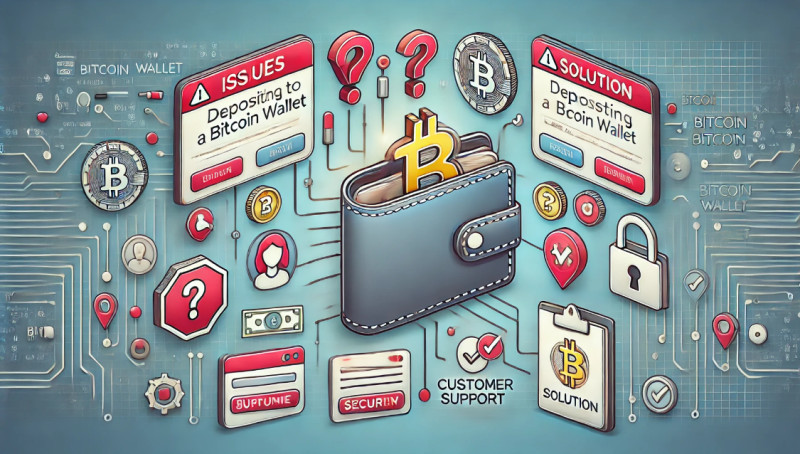
Difficulties with digital asset transfers are quite common, and understanding how to deal with them can help you avoid losses and save time. Let us review the most frequent problems users encounter—such as transaction delays, incorrect wallet addresses, account freezes, and technical malfunctions—along with practical steps to resolve each scenario.
Transaction delays: why they happen and how to speed them up
Delays in cryptocurrency transfers are a common occurrence, especially during periods of high network activity. For instance, Bitcoin transactions depend on confirmations within the blockchain, and when the network is congested, transaction processing times may increase significantly—from a few minutes to several hours or even days. One of the main reasons for such delays is setting a transaction fee that is too low. In most blockchain networks, transactions with higher fees receive priority from miners or validators.
To avoid delays, it is important to set a competitive transaction fee in advance. Many wallets and platforms offer dynamic fee settings, which automatically adjust the fee based on current network load. If the transaction has already been created with a low fee, some blockchains (like Bitcoin) support features such as Replace-by-Fee (RBF) or transaction accelerators. With these tools, you can increase the fee after submission to improve your transaction's processing priority.
Error in wallet address entry: what to do if you entered wrong address
Mistakes in entering wallet addresses can be costly, as blockchain transactions are irreversible. If a wrong address is entered and it belongs to a valid wallet on the same network, recovering the funds is virtually impossible. However, if the mistake occurs while using an exchange or exchanger, contact their support team immediately—sometimes they are able to cancel unconfirmed transactions or offer alternative solutions.
To minimize the risk of such errors, it is recommended to copy and paste wallet addresses rather than entering them manually. Many wallets also support checksum validation, which can help identify an incorrect address before a transaction is confirmed. Always double-check the beginning and end of the address, and if possible, use QR code scanning instead of manual input to reduce the chance of errors.
Risk of frozen funds on exchange or exchanger: how to prevent it and what to do in such situations
Funds may be frozen on an exchange or exchanger for several reasons: unusual account activity, internal platform reviews, technical issues, or regulatory compliance checks. To reduce the risk of frozen assets, it is best to use reliable, well-known, and properly licensed platforms that adhere to global security standards and transparent operating procedures.
Before selecting a platform, research user feedback and investigate whether there is a history of unjustified asset freezes or account suspensions. Choosing a trustworthy service can significantly reduce these risks.
If your funds are frozen, the first step is to contact the platform’s customer support and submit all required documents for verification. Platforms typically explain as to why access was restricted and will guide you through the necessary steps to resolve the issue. Staying calm and following their instructions carefully is key, as miscommunication can delay the resolution even further.
If the issue remains unresolved, consider reaching out to external resources such as crypto communities and specialized forums. Other users may offer practical advice, share similar experiences, and help you find additional support. These communities can also provide valuable insights on how to top up your Bitcoin wallet safely and efficiently.
### Technical Failures: What to Do If a Transaction Is Stuck or Unconfirmed
Technical failures are not uncommon, especially during times of heavy network congestion or when an exchange or exchanger is undergoing infrastructure updates. If your transaction becomes “stuck” or remains unconfirmed for an extended period, the first step is to check the network status using blockchain explorer tools. These services allow you to track your transaction, monitor confirmation progress, and assess current network load.
If the issue originates from the exchange side, it is recommended to consult the platform’s official communication channels—many exchanges promptly post updates about ongoing technical issues and estimated resolution times. If the wallet client is responsible for the delay, try updating your software to the latest version. Some wallets also offer a “resend” or “rebroadcast” feature that can help prompt confirmation.
Bitcoin storage tips
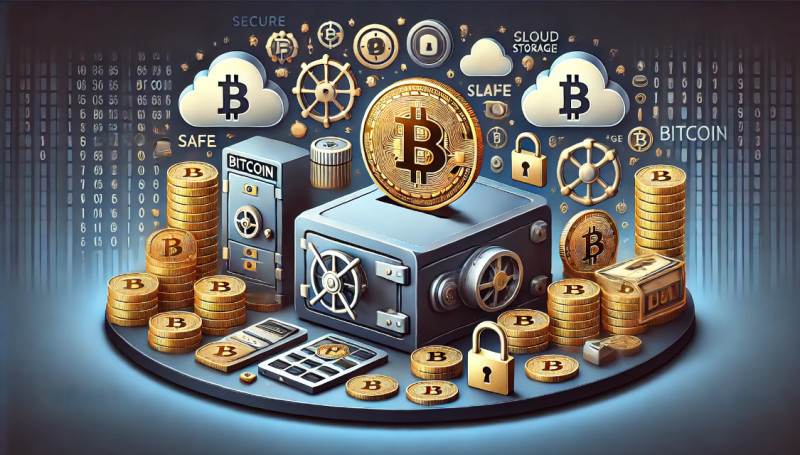
Proper storage of Bitcoin requires a thoughtful approach and an understanding of different security methods. There are two primary types of storage: hardware wallets and hot (online) wallets. Each method offers distinct advantages and is best suited for specific purposes and user profiles.
Hardware wallets and their security: when and why they are necessary
Hardware wallets are among the most secure solutions for storing Bitcoin, especially for users managing large amounts of cryptocurrency with a long-term investment strategy. These devices—such as Ledger and Trezor—function like secure flash drives and operate offline, making them immune to most online threats. They are equipped with advanced encryption and do not expose private keys to the internet under any circumstances. Even if the computer to which the device is connected is compromised, the hardware wallet remains secure, as access to the private keys is physically restricted.
Using a hardware wallet is highly recommended when handling substantial amounts of Bitcoin or other digital assets. Since transactions must be physically approved on the device, the risk of unauthorized access is greatly reduced. This makes hardware wallets ideal for investors who do not require daily access to their funds and prioritize long-term security.
However, it is important to protect the physical device itself. Loss or theft of a hardware wallet can lead to complications if precautions are not taken. Always create and securely store a backup recovery phrase (also known as a seed phrase). This allows you to restore access to your funds if the original device is lost, damaged, or stolen.
Hot wallets: for everyday transactions and purchases
Hot wallets are well-suited for users who need regular access to their Bitcoin for everyday transactions. These wallets operate online and are available through various platforms, including mobile apps and web browsers. The main advantage of hot wallets is their convenience and speed. They allow users to send and receive funds instantly, making them ideal for routine payments, shopping, and small transfers.
However, when compared to hardware wallets, hot wallets are less secure due to their constant internet connectivity, which makes them more vulnerable to hacking, phishing, and malware. That said, users can enhance the security of hot wallets by enabling two-factor authentication (2FA), using strong and unique passwords, and connecting via VPN services for added privacy. Hot wallets are best used for storing small amounts of cryptocurrency intended for short-term use. For larger holdings, a good practice is to use hot wallets alongside hardware wallets—transferring funds from the secure offline wallet to the hot wallet as needed. This hybrid strategy offers a balanced combination of convenience and security.
Backup and data protection tips
Backing up and safeguarding your data is a critical part of securing your Bitcoin assets. The first and most important step is creating a backup of your seed phrase. This phrase is a unique set of words that allows you to restore access to your wallet in the event of device failure, loss, or data corruption.
The seed phrase should be written down and stored in a safe, private place, away from prying eyes or unauthorized access. Without it, recovering access to your funds—or even remembering how to top up your Bitcoin wallet—could become impossible. It is strongly discouraged to store the seed phrase digitally, as this increases the risk of hacking or data theft. The best practice is to record the phrase on physical media, such as in a notebook or, for increased durability, engraved on a metal plate that is resistant to fire, water, and environmental damage
You should also enhance the security of any devices used to manage your Bitcoin, whether it be a smartphone or a computer. Installing updated antivirus software, using a reliable VPN, and keeping your operating system and apps regularly updated greatly reduces your vulnerability to attacks and digital threats. Always remember: any device connected to the internet carries a potential risk—comprehensive security practices significantly reduce that risk.
Conclusion
The final stage of working with Bitcoin calls for diligent attention and strict adherence to safety measures so that your digital assets remain protected at all times. By understanding the critical steps related to topping up, storing, and managing your wallet, you can avoid the most common risks and make the most of your cryptocurrency experience.
Key steps and practical recommendations
The first step is choosing a safe method for funding your wallet. Exchanges, crypto ATMs, online exchangers, and peer-to-peer transfers each offer distinct advantages. When selecting an exchange, pay close attention to the platform’s reputation, user reviews, and security measures such as two-factor authentication (2FA) and KYC procedures. Exchanges like Binance and Coinbase offer a comprehensive range of features, including secure deposit options, access to digital asset markets, and enhanced protection protocols.
For quick transactions, crypto ATMs are a convenient option, allowing users to make cash purchases and instantly credit cryptocurrencies to their wallets. However, it is important to keep in mind the high fees, transaction limits, and the need to verify ATM legitimacy before using.
Exchangers are ideal for fast currency conversion, but it is essential to evaluate reviews and ratings before selecting a service. Using reputable aggregator platforms, such as BestChange, can help you avoid fraudulent websites. When using peer-to-peer exchanges, it is recommended to choose trusted sellers on platforms like LocalBitcoins, which provide escrow services and seller ratings—systems designed to reduce the risk of fraud, especially for new users.
The next key step is choosing your storage method. For large holdings not used for daily transactions, hardware wallets remain the most secure option. These devices are isolated from the internet, providing significant protection against hacks. Popular models such as Ledger and Trezor offer offline key management and are resistant to phishing and malware threats. Hardware wallets are particularly suited for long-term investors who prioritize maximum security.
For smaller amounts used for everyday purchases or quick transactions, hot wallets offer convenience and accessibility. However, it is important to be aware of their vulnerability to online threats and to reinforce them with 2FA, strong passwords, and VPNs for added privacy. A balanced approach—dividing your assets between hot and cold storage—can meet both your investment and day-to-day transaction needs.
Security reminder
Security is a central component of managing Bitcoin. Even a minor misstep can lead to the loss of your funds, as blockchain transactions are irreversible. To minimize risks, rely only on trusted platforms and tools, enable two-factor authentication, and secure your personal data.
Avoid unofficial channels and offers that appear too good to be true. Scammers often lure victims with enticing exchange rates or bonuses, only to disappear with the funds once a transaction is made.
Always remember to back up your seed phrase—the sole method for recovering access to your digital wallet. Record it securely and store it in a protected, offline location where it will not be exposed to digital threats or physical damage.
Finally, keep your physical storage device in a secure place and update any related software regularly to defend against evolving threats. Investing time and effort into securing your digital assets can prevent costly mistakes and provide peace of mind—whether you use Bitcoin for long-term investment, everyday payments, or both.
Today, we explored the broad and complex topic of how to top up a Bitcoin wallet. With the right approach, you can safeguard your assets and enjoy the benefits of the decentralized financial world with confidence.


 Back to articles